THE COST OF their betrayal
2021–2026. Five years of delay. A lifetime of animal suffering.
The citizens spoke. The Commission stalled.
In 2021 more than 1.4 million Europeans formally petitioned the EU to ban cages on farms, and in 2025 a record number responded to its public consultation on animal welfare. The public has spoken clearly, and on the record.
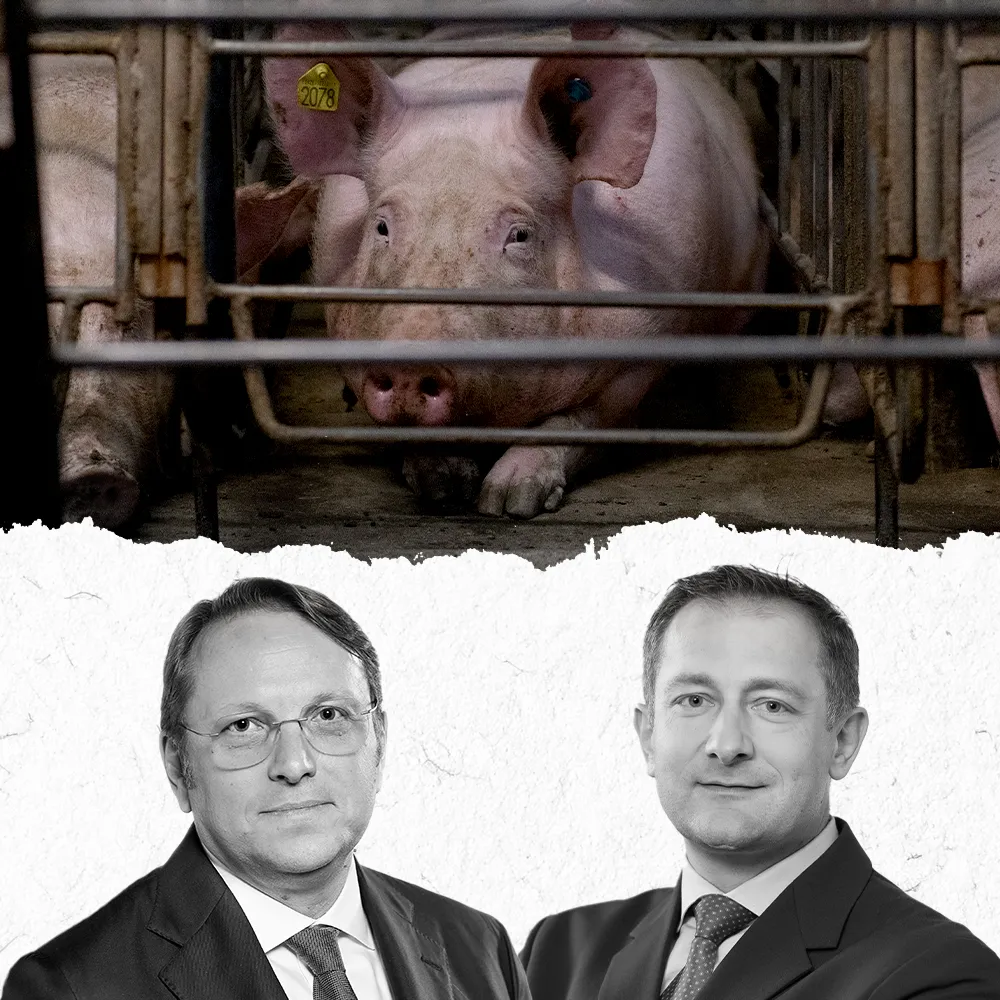
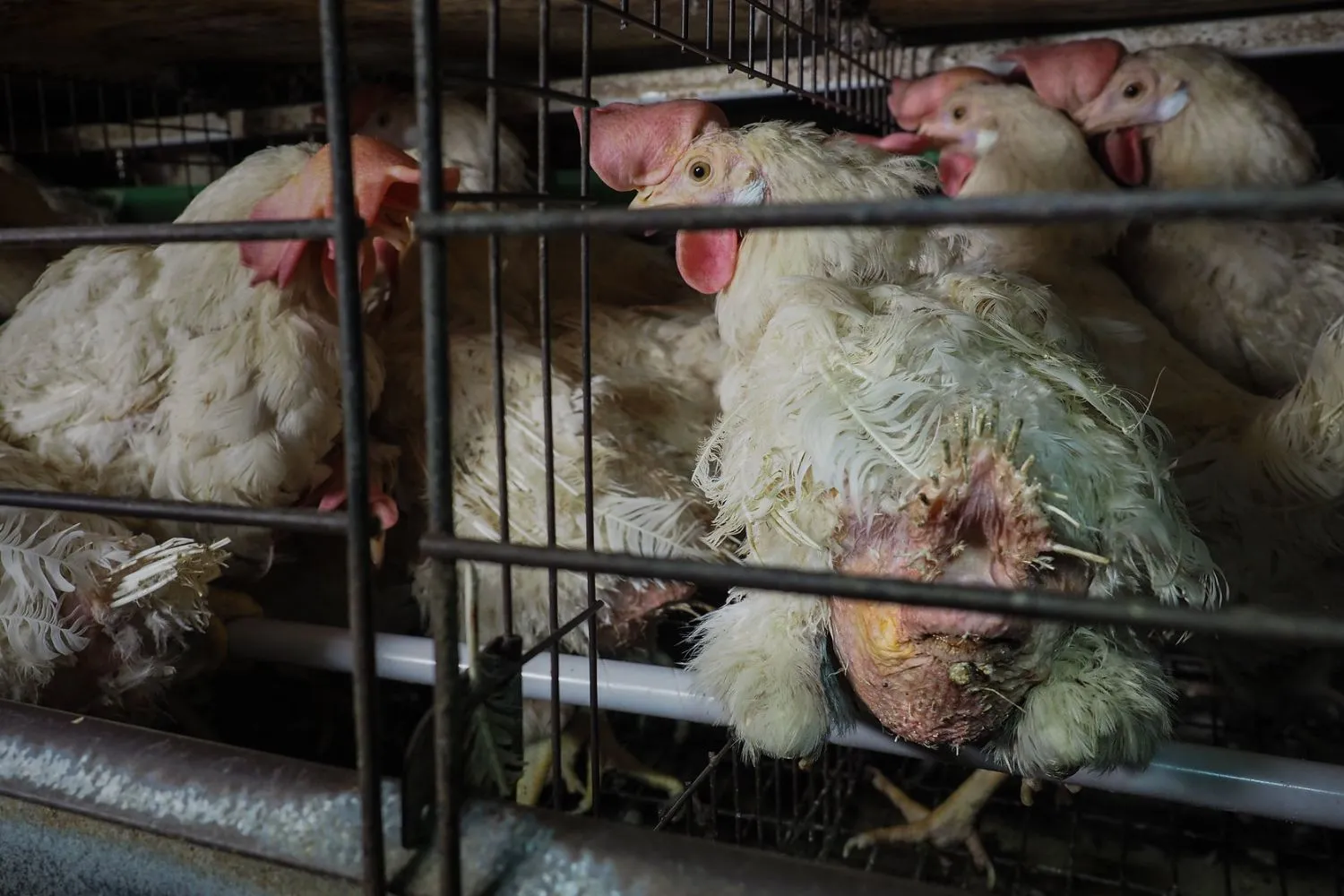
Yet nearly 300 million animals are still caged across the Union – unable even to move freely – and 330 million male chicks are killed at birth every year. This is not a failure of awareness. It is a political choice.
The Commission made the promise twice, and broke both deadlines. Now the binding reform risks being traded for a non-binding strategy that leaves them confined, unprotected, forgotten.
That would not be a technical failure — it would be a political betrayal, and a breach of the EU’s own duty, under Article 13 of the Treaty, to treat animals as sentient beings.
The animals can’t wait. The citizens have already chosen their side.
Why nothing moves: who’s in the room
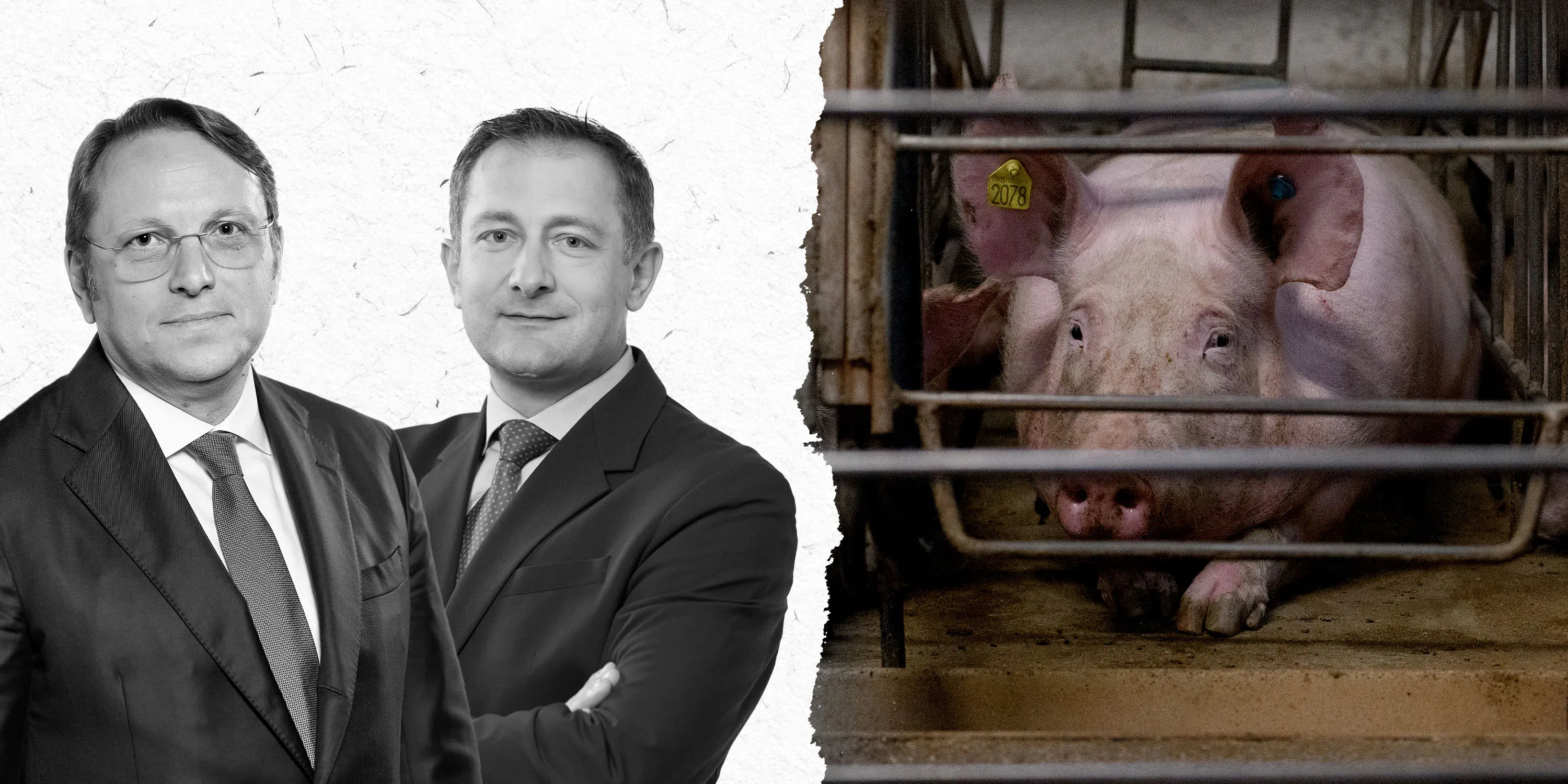
Who the cabinets of Commissioners, Commissioner Olivér Várhelyi, and Commissioner Christophe Hansen meet?
The promise, in writing.

Building upon the existing animal welfare legislation, you will modernise the rules on animal welfare … while addressing sustainability, ethical, scientific and economic considerations, and citizens’ expectations.
Ursula von der Leyen, mission letter to Commissioner Olivér Várhelyi, 2024
Three people can end this. Three are choosing not to.
Ursula von der Leyen
President of the European Commission
She made the promise: her Commission committed to ending the cage age by 2027 – then buried it in her own Work Programme. It’s not hard to see why: under her leadership, the livestock industry gets seven times more access to her Commissioners than animal-protection groups do.


Olivér Várhelyi
Commissioner for Health and Animal Welfare
Animal welfare is his portfolio. In April 2026, the European Parliament declared him unfit for the standards a Commissioner must meet. He sat down with the foie gras industry (which force-feeds birds through tubes) to discuss “animal welfare,” then left the rules that allow it untouched.
Christophe Hansen
Commissioner for Agriculture and Food
He doesn’t hold the pen on animal welfare law – but he decides how far it goes: its ambition, its timing, its loopholes. On 7th July 2026 he publishes the EU’s Livestock Strategy: the document that should carry a binding plan to end the cages and stop the killing of male chicks. He’ll either deliver it, or he won’t.

Make them answer for it.
Von der Leyen’s own letter told Várhelyi to address “citizens’ expectations.” 1.4 million citizens had already spoken. You’re the next one.
Send them the same message:
- Deliver a complete, binding revision of EU animal welfare law in 2026.
- End the cages – no exceptions.
- Explicitly ban the killing of male chicks.
- No more delays.
On 7th July 2026, the Commission publishes the strategy that decides how far this reform goes. They need to hear you before then – not after.
This is not a request for future consideration. It is a demand for political accountability. Take a stand for the animals – and hold the Commission to account.
THIS IS NOT AN ISOLATED FAILURE.
2021 — 1.4 million EU citizens sign the “End the Cage Age” Initiative — the largest mobilisation for animals in European history. The Commission commits to phasing out cages by 2027.
2023 — Deadline missed. No legislative proposal. It is quietly dropped from the Commission’s agenda.
2024 — Ursula von der Leyen and Olivér Várhelyi pledge to “modernise” the legislation. Christophe Hansen is appointed Commissioner for Agriculture and Food, promising to work alongside Várhelyi on animal welfare.
2025 — The animal welfare revision is removed from the 2026 Work Programme (the President’s own agenda) and set to be replaced by a non-binding livestock strategy under Hansen’s brief.
2026 — 190,000 citizens respond to the EU public consultation. The proposal Várhelyi promised “by 2026” is nowhere. On 7th July, Hansen’s livestock strategy lands — the last chance to make it binding.
1.4 million citizens. 5 years. Still no proposal.
This is not bureaucratic delay. This is a political choice – and it has names.
EVERY DAY, WE MAKE CHOICES
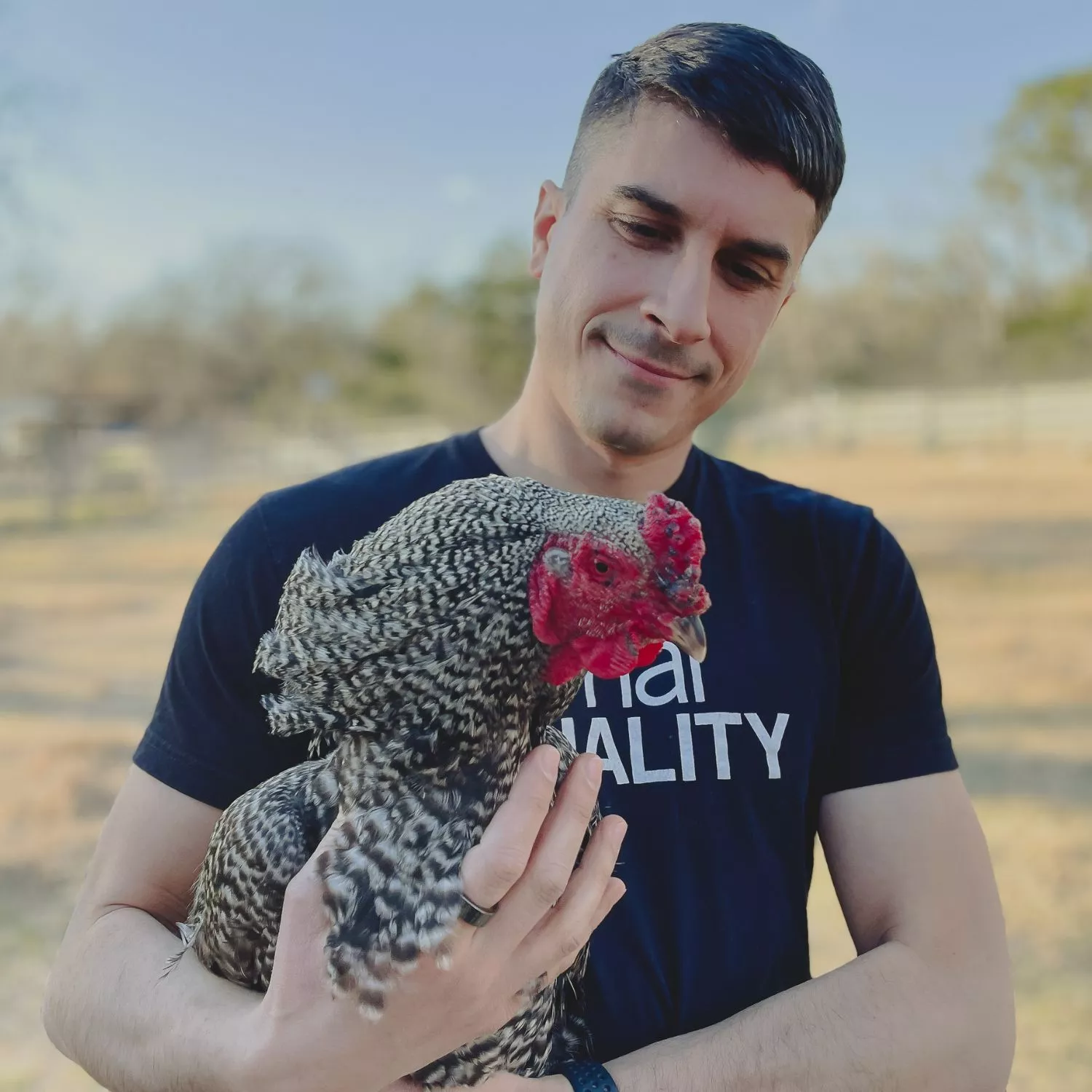
While they delay, you don’t have to. Three times a day, you get a vote they can’t veto.
All data presented on this page is based on publicly available information from the EU Transparency Register and official meeting disclosures.
The analysis reflects observed meeting patterns and does not imply the content or outcome of individual meetings.
Commissioners’ photos © European Union, 2026